







Recent fluctuations in tariff policies are creating uncertainty in the market, triggering panic among Bitcoin investors. As tariff uncertainty continues to affect global trade, its impact on the crypto market is becoming increasingly significant, and understanding these dynamics is crucial for investors.
Tariff Uncertainty and Its Economic Impact
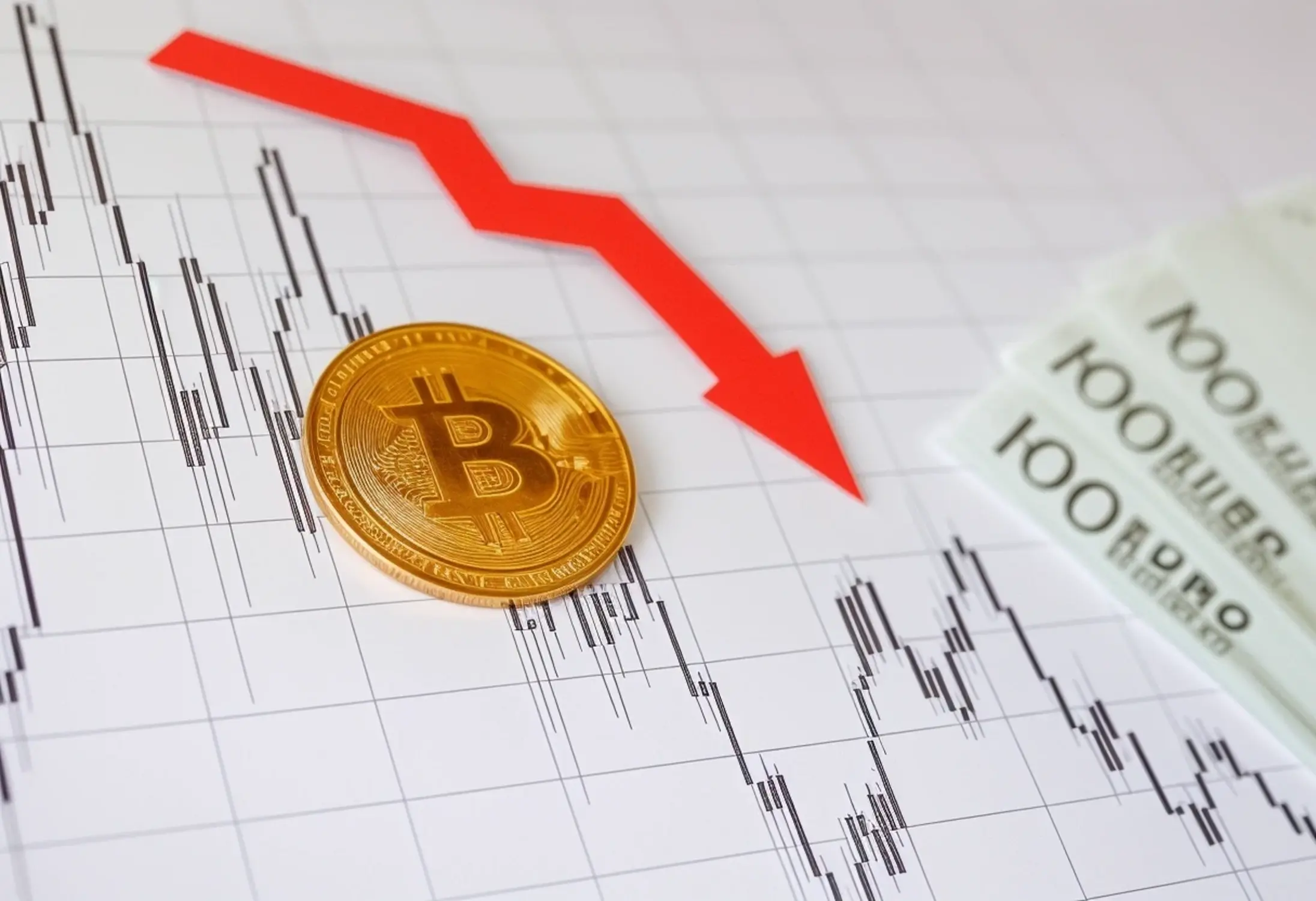
Recent tariff changes have brought about a wave of anxiety among investors, particularly in the cryptocurrency arena. The relationship between traditional trade tariffs and the crypto market is intricate, as changes in tariffs can lead to drastic fluctuations in investor confidence. According to Bloomberg, recent tariff adjustments have contributed to Bitcoin sliding below $65,000. This decline illustrates how sensitive the digital asset market is to economic shifts, particularly those emanating from government policy changes.
Investor sentiment in the Bitcoin market has been notably influenced by tariff uncertainty. With the economy in flux, many investors adopt a cautious approach, withdrawing funds from high-risk assets like cryptocurrencies. Furthermore, global economic conditions such as inflation, policy instability, and supply chain disruptions exacerbate this uncertainty, leading to a drop in Bitcoin values. The correlation between tariffs and market responses cannot be overstated; market analysts argue that a stable tariff environment is crucial for restoring investor confidence.
Current Panic in the Crypto Market
The current environment in the crypto market is characterized by heightened panic among investors. The recent downturn in Bitcoin and other cryptocurrencies has discouraged many from entering the market. According to Economic Times, total crypto market capitalization dropped approximately 4.4% in just 24 hours, showcasing the severity of this panic.
Liquidation events are contributing significantly to this trend. Reports indicate that around $459.1 million in leveraged trades were liquidated over this brief period, illustrating the market’s volatility. This trend of rapid unfurling is reminiscent of past crashes, reinforcing fears among investors about the stability of the crypto landscape. As panic escalates, many traders are left questioning how best to navigate this tempestuous period.
Macroeconomic Factors Affecting Bitcoin Prices
Macroeconomic factors play a crucial role in influencing Bitcoin prices. Events such as tariff changes can alter economic sentiments, impacting Bitcoin’s perceived value. These economic pressures can lead to a decrease in investor appetite for cryptocurrencies, as risk-averse behavior takes precedence in uncertain economic climates.
For instance, when external economic pressures mount, investors often seek safer assets, leading to declines in crypto valuations. Recent data illustrates that Bitcoin’s price movements closely mirror macroeconomic news; fluctuations in global markets often trigger corresponding reactions in the crypto sector. Understanding these external economic triggers can arm investors with strategies to better anticipate market shifts and make informed decisions moving forward.
Support Levels and Market Confidence
Critical support levels are vital in maintaining market confidence for cryptocurrencies, especially for Bitcoin. These levels serve as psychological benchmarks that can reduce panic and restore faith among investors during uncertain times. Specifically, should Bitcoin maintain its position above significant support levels, it could stave off further panic and potential price declines.
Strategies employed by traders often include setting stop-loss orders around these critical levels to mitigate risks during downturns. When traders collectively recognize these support zones, it can foster a sense of stability in an otherwise volatile environment. The focus on preserving these thresholds reflects broader market confidence, which remains essential for attracting new investors into the crypto market.
The Ripple Effect of Tariff Changes
The interconnectedness of tariffs and cryptocurrency markets is palpable. When governments alter trade policies, the repercussions are often felt within the Bitcoin and Ethereum markets. Changes in tariffs can lead to significant shifts in supply and demand dynamics, ultimately affecting pricing across the crypto spectrum.
As trade policies evolve, investors must be acutely aware of how these changes can impact cryptocurrency valuations. The potential long-term effects include the reassessment of investment strategies as traders adapt to evolving market conditions. Understanding these ripple effects will be crucial for investors aiming to navigate the uncertainties that arise from fluctuating tariff policies.
Steps for Navigating Tariff-Induced Market Challenges
Navigating the challenges posed by tariff uncertainties requires decisive action from investors. One insightful approach is to maintain a diversified crypto portfolio, which can provide a buffer against market volatility. Spreading investments across a range of cryptocurrencies can help mitigate risk and stabilize financial positions during downturns.
Additionally, keeping abreast of ongoing economic developments and policy changes is essential. Utilizing financial news platforms and cryptocurrency analysis websites can provide investors with the timely insights necessary to adapt their strategies accordingly. By remaining informed and flexible, investors can better navigate the complexities introduced by tariff uncertainty and protect their investments in an evolving market landscape.
About The Author





More Stories
The Hidden Truth About OpenClaw’s Controversial Crypto Policy
The Hidden Truth About How Stablecoins Influence Financial Stability
Why A7A5 Stablecoin is Revolutionizing Sanctions Evasion for Russia