







As oil price shocks ripple through global markets, understanding their profound impact on Bitcoin’s future becomes crucial. The interplay between oil volatility and cryptocurrency can shift market dynamics significantly, making it essential for investors to stay informed.
The Economic Ripple Effect of Oil Price Shocks
Fluctuating oil prices exert a powerful influence on global economic stability. When oil prices skyrocket, they can lead to higher inflation rates. For instance, analysts note that every 10% increase in sustained oil prices translates to an additional 0.1 to 0.2 percentage points in the Consumer Price Index (CPI) according to Allianz. This creates a feedback loop where inflationary pressures can stifle economic growth.
Such sustained oil shocks can also reshape investment landscapes, prompting investors to rethink allocation strategies. The correlation between oil prices and inflation often leads to heightened uncertainty in financial markets. For instance, as noted by Goldman Sachs, when Brent crude exceeds $100, it indicates that the economy might face prolonged disruptions without the ability to stabilize.
Overall, the repercussions of oil price shocks encompass not only individual investors but also broader market structures, affecting everything from equity markets to emerging cryptocurrencies like Bitcoin. Their direct impact on consumer spending patterns further complicates recovery from economic downturns.
How Bitcoin Volatility Mirrors Oil Price Trends
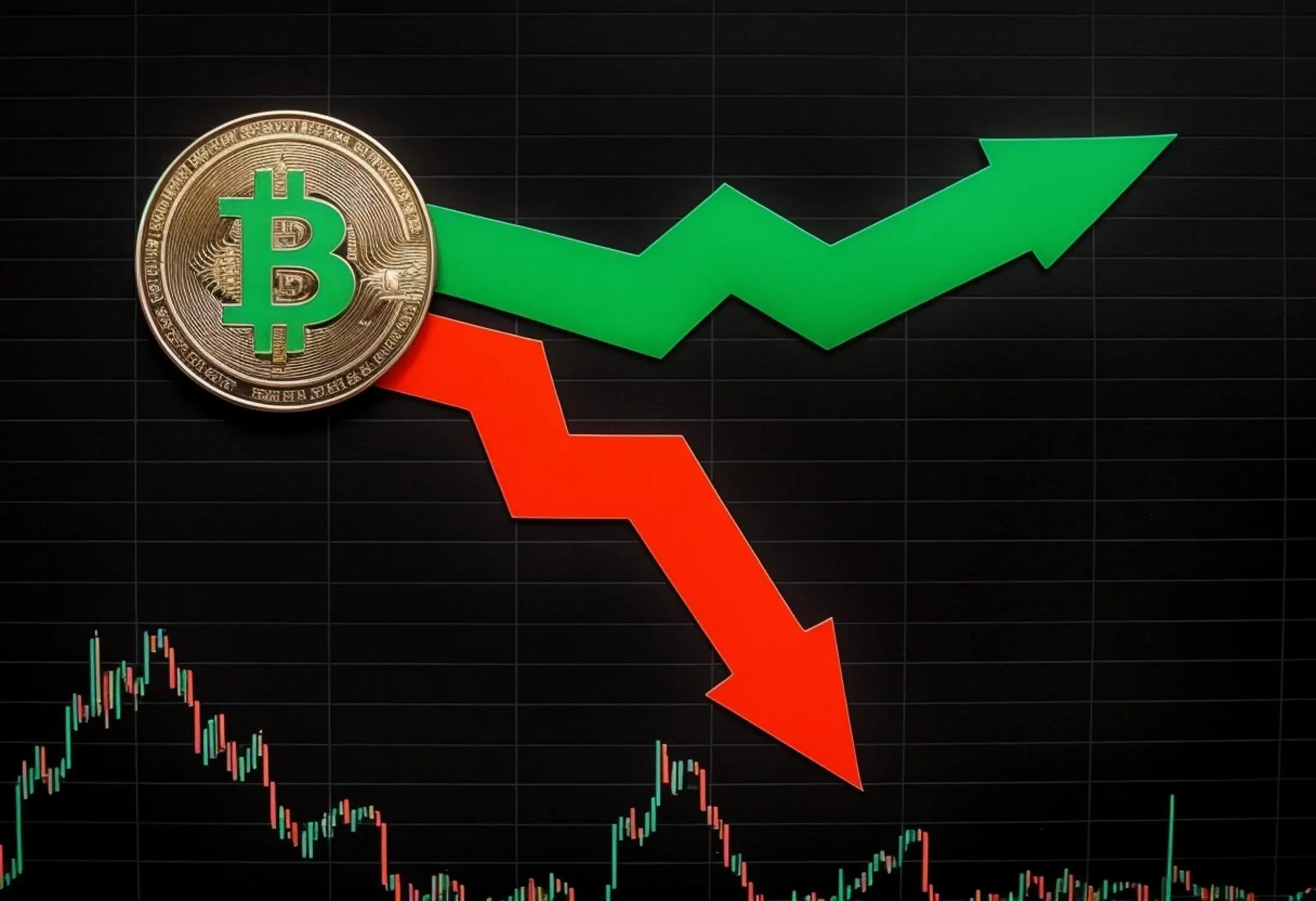
Bitcoin, often viewed as a hedge against inflation, displays remarkable volatility influenced by oil price fluctuations. Historical data reveals several instances where sharp changes in oil prices directly affected Bitcoin values. For example, during significant geopolitical events, Bitcoin’s reaction to oil price spikes has been noteworthy, reflecting a changing investor sentiment.
Market predictions suggest that as oil prices rise, Bitcoin could face downward pressure. This correlation has been highlighted recently, with Bitcoin prices reacting to news regarding oil availability and prices. For instance, moments of oil supply disruptions, such as conflicts leading to reduced oil exports, often coincide with Bitcoin’s price swings. The relationship is evident; as geopolitical tensions escalate, investors tend to flock to alternative assets like Bitcoin, anticipating their value to increase in times of uncertainty.
Moreover, this volatility creates both opportunities and risks for investors. Speculative trading around oil price trends can heighten uncertainty in Bitcoin markets, compelling traders to adopt more aggressive strategies. Understanding these historical instances helps investors gauge potential Bitcoin movements in response to future oil price changes, positioning them to capitalize on these fluctuations.
Fed Interest Rates Amid Rising Oil Prices
The Federal Reserve’s response to rising oil prices significantly shapes the economic environment and indirectly influences Bitcoin investments. When oil prices soar, the Fed is often forced to reconsider its interest rate policies to manage inflation. As Bloomberg reports, these decisions come under scrutiny, especially when oil price hikes coincide with a cooling job market.
During periods of high inflation driven by oil volatility, investor psychology shifts dramatically. Investors tend to reassess their risk tolerance, influenced by the Fed’s cautious approach. If the Fed raises interest rates to combat inflation, it can lead to decreased liquidity in markets, affecting Bitcoin and other cryptocurrencies adversely. This scenario reveals the central bank’s dual role: maintaining economic stability while managing the impacts of external shocks, such as oil price hikes.
Understanding how the Fed navigates these turbulent waters is essential for Bitcoin investors. Fed policy shapes market expectations, prompting changes in Bitcoin trading behavior. Thus, monitoring Fed commentary and adjustments plays a crucial role in making informed investment decisions.
Market Predictions Post-Oil Price Shock
As experts analyze the landscape following oil shocks, different predictions emerge concerning Bitcoin’s trajectory. Many analysts foresee a complex relationship between sustained oil volatility and Bitcoin prices. While some believe Bitcoin might stabilize as a digital safe haven, others warn of a downturn due to investor panic.
Key indicators are becoming essential for investors to monitor. These include oil prices, inflation rates, and economic growth indicators that can signal overall market health. Market sentiment greatly influences Bitcoin’s trajectory; when oil prices rise sharply, leading to investor uncertainty, Bitcoin typically reflects this volatile sentiment.
Additionally, predictions about Bitcoin’s future stability are uncertain. While some foresee resilience in a decentralized digital currency as a new norm, others caution against potential instability given the unpredictable nature of oil markets. Thus, investors must remain vigilant, evaluating both economic indicators and market trends to navigate this shifting landscape effectively.
Global Conflicts and Inflation’s Impact on Bitcoin
Geopolitical tensions significantly affect oil prices, which, in turn, impact Bitcoin. As conflicts arise, especially those involving major oil-producing nations, oil supply becomes disrupted. This disruption triggers inflation, which can lead to an increase in Bitcoin’s value due to its perceived status as a hedge against inflation.
Inflation stemming from geopolitical events influences investor sentiment, creating a complex interconnection between traditional energy markets and cryptocurrency valuations. For instance, global conflicts that lead to oil shortages often result in spikes in inflation, compelling investors to turn towards assets like Bitcoin. The investment community is acutely aware of these dynamics; as reported, major events can create immediate pressure on Bitcoin prices, further complicating traders’ strategies.
Moreover, market sentiment during these tumultuous times significantly impacts Bitcoin trading. Investors’ reactions to news updates and expectations of future market conditions affect Bitcoin prices directly, illustrating cryptocurrency’s volatile nature amid oil crises.
Actionable Steps for Investors
Navigating Bitcoin investments during oil price fluctuations requires strategic planning. Here are several actionable steps that investors can take:
– Stay Informed: Regularly monitor oil price trends and their implications for the broader economy.
– Implement Risk Management Strategies: Use stop-loss orders and diversify crypto investments to mitigate risks associated with volatility.
– Embrace Educated Speculation: Invest only what you can afford to lose; volatility can lead to sudden losses.
– Monitor Economic Indicators: Keep an eye on inflation rates and Fed policies to anticipate potential impacts on Bitcoin markets.
By taking proactive steps, investors can better position themselves to adapt to fluctuations in oil prices and their overall implication for Bitcoin. Understanding the interconnectedness of these markets is vital for successful cryptocurrency trading in an evolving economic landscape.
About The Author



More Stories
Why FTX Claims Could Change the Bitcoin Debate Forever
Why Bitcoin’s Drop Below $70,000 Signals Trouble for the Crypto Market
Why the Iran Conflict Is About to Change Everything in Crypto Market Volatility