






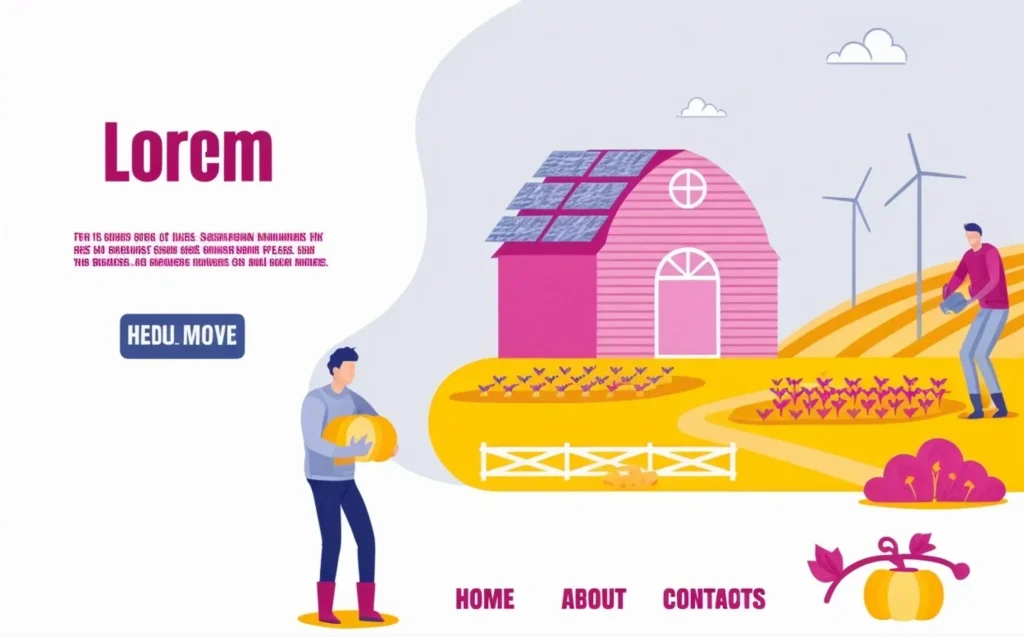
The adoption of agrivoltaics is transforming farming by combining solar energy with agriculture, enabling farmers to enhance their profits and crop yields. This innovative approach not only improves resource efficiency but also supports the movement toward a sustainable economy, making it essential for today’s agricultural practices.
Recognizing the Potential of Agrivoltaics
Agrivoltaics presents a unique opportunity for farmers to diversify their income streams. By integrating solar panels with crop production, farmers can generate electricity while maintaining agricultural yields. The dual-use of land allows for more effective use of resources, leading to improved financial outcomes. For example, a study highlighted the potential for agrivoltaic systems to yield significant economic benefits, as they can help improve both crop yields and soil conditions, even when solar panels are not generating energy (recent study). This dual approach has resulted in enhanced land productivity, exemplifying an innovative agricultural practice.
Real-world implementations of agrivoltaics have demonstrated tangible benefits. In Canada, several farmers reported increases in income due to supplementary revenue from solar energy generation alongside traditional crop sales. These case studies underscore how agrivoltaics can create a symbiotic relationship between renewable energy and agriculture.
The Significance of Sustainable Agricultural Practices
Sustainable agriculture plays a pivotal role in shaping the modern economy. With increasing pressures from climate change and resource scarcity, innovative technologies become crucial. Agrivoltaics contributes significantly to this movement by conserving land and water resources while reducing carbon footprints.
Moreover, integrating solar energy into agricultural practices supports environmental conservation. According to industry experts, practices like agrivoltaics ensure that farming remains viable even as natural resources dwindle. As farmers adopt these sustainable practices, they can promote ecological balance while ensuring economic viability.
Innovative technologies are at the forefront of modern agriculture, addressing critical challenges faced by farmers. By adopting solutions like agrivoltaics, the agricultural sector can evolve toward a more sustainable and resilient future.
Challenges Facing Agrivoltaics Implementation
Despite the promising benefits, several challenges hinder the widespread adoption of agrivoltaics. One of the primary hurdles is regulatory obstacles. Farmers often encounter complex regulations regarding land use and energy production that may impede their ability to implement agrivoltaic systems. Addressing these regulatory issues is critical for the advancement of this integrated approach.
Additionally, there’s a pressing need for farmer education and community support. Many farmers may not be aware of the advantages of agrivoltaics or how to implement such systems effectively. Initiatives focusing on training and community engagement can significantly enhance knowledge and preparedness among the farming population.
Economic implications also arise when transitioning to agrivoltaic systems. While initial investments might be high, the long-term benefits can offset these costs; however, farmers need to assess their financial readiness and explore available financial incentives that could ease the transition into this new paradigm.
Current Trends in Solar Energy and Agriculture
The intersection of solar energy and agriculture is evolving rapidly. Advancements in solar technology are making agrivoltaics increasingly viable. Recent innovations in panel efficiency, combined with increasing government incentives for solar adoption, are shaping the future of this sector.
The rising consumer demand for sustainably produced goods is another critical factor. Consumers are leaning towards products backed by eco-friendly practices, and farmers adopting agrivoltaics may find themselves enjoying higher market prices due to their sustainable practices. This trend reflects a broader societal shift towards renewable energy and sustainability.
Moreover, developments in the renewable energy sector impact agriculture significantly. As solar energy becomes more affordable and accessible, integration with farming practices is likely to expand, offering new opportunities for farmers to enhance their profitability in the face of evolving market demands.
Financial Benefits of Agrivoltaics
Adopting agrivoltaic systems can lead to substantial financial benefits for farmers. One of the most notable advantages is the potential for cost savings. By generating energy on-site, farmers can reduce their electricity bills significantly. Furthermore, the revenue generated from energy production can provide an additional income stream, complementing traditional crop sales.
As reported in studies, comparing traditional farming techniques with agrivoltaics often shows that the latter not only increases crop yields but also lowers overall costs (research insights). In many cases, integrating solar energy can lead to revenues that are double what farmers would typically earn from land solely dedicated to crop production.
Additionally, various financial incentives exist to encourage farmers to adopt solar energy. These incentives can take the form of tax credits, grants, or low-interest loans aimed at helping farmers transition to more sustainable practices. By capitalizing on these opportunities, farmers can ease their initial investment burdens and maximize their returns.
Moving Towards a Sustainable Economy
Agrivoltaics can serve as a critical driver in transitioning to a sustainable economy. This dual-use system creates synergistic benefits that bolster the agricultural sector while promoting renewable energy usage. By aligning agricultural practices with solar energy production, farmers can support broader economic growth while addressing urgent environmental concerns.
The connection between solar energy and agriculture exemplifies how industries can work together for mutual benefits. As more farmers implement agrivoltaics, they contribute to a circular economy that prioritizes sustainability and resource efficiency. Recognizing these interconnections is vital for policymakers aiming to foster a sustainable economic landscape.
To promote agrivoltaics, strategies such as tailored incentives for farmers and comprehensive educational programs can be invaluable. Engaging stakeholders in conversations about the benefits of agrivoltaics can help overcome the barriers currently present in the industry.
Actionable Steps for Implementing Agrivoltaics
Farmers interested in adopting agrivoltaics should consider several actionable steps to make the transition smoother. First, conducting thorough research on local regulations and incentives would be essential. Understanding the landscape is crucial for proceeding with this dual-use approach.
Collaboration with solar companies can also lower entry barriers. Establishing partnerships can facilitate information sharing and access to resources that support effective integration. Farmers could either lease land for solar energy production or invest in systems that suit their production methods.
Moreover, various resources are available to assist farmers in integrating agrivoltaics. Workshops, educational platforms, and expert consultations can provide the necessary support to ensure successful implementation. By following these steps and utilizing available resources, farmers can navigate the transition to agrivoltaics effectively, thereby enhancing their income and contributing to a sustainable future.
About The Author





More Stories
Why the PEPE Surge Will Revolutionize the Altcoin Market
How Freelancers Are Using Crypto Cash Out Services to Manage Expenses
Why Artificial Intelligence and Blockchain Are Set to Transform the Global Economy