







In today’s rapidly evolving financial landscape, understanding the stakes surrounding crypto hacks is critical for investors and users alike. As digital assets gain traction, vulnerabilities in security and market integrity can pose significant risks to both individual wealth and overall market stability.
Risks Associated with Crypto Hacks Today
The frequency of hacking incidents targeting cryptocurrency platforms has surged dramatically, unsettling investors. These crypto hacks often lead to substantial financial losses, impacting individual users and institutional trust alike. For instance, recent reports highlighted that the crypto industry faced multiple incidents where exchanges were compromised, resulting in significant financial chaos within the market according to this analysis.
The ripple effects of these hacks extend far beyond individual losses. They create a climate of fear, eroding confidence amongst investors and undermining the stability of the entire market. As institutions grapple with the consequences of these breaches, a lack of trust in security protocols can deter future investments, leading to a destabilized market environment.
Moreover, the financial implications are staggering; not only do victims suffer personal losses, but the broader market feels the impact through increased volatility. This instability can deter new investors from entering the space and keep existing investors on edge, preventing long-term growth.
Current Landscape of Crypto Security Measures
While several security protocols have been established, their effectiveness remains under scrutiny. Major exchanges and platforms have invested in enhancing their defenses, yet high-profile security breaches continue to occur. For instance, the recently reported $285 million hack of a leading exchange serves as a stark reminder that even the most sophisticated systems can fail as detailed in this report.
Regulatory bodies have begun to step in, emphasizing the need for higher security standards across the crypto industry. These developments are crucial, given that regulatory guidance can help establish trust and elevate security measures. Aligning with established financial systems may bring cryptocurrencies closer to mainstream acceptance and safeguard critical investor confidence.
Common Hacking Incidents: Case Studies
Recent notable crypto hacks illustrate both the vulnerabilities of the systems and the devastating consequences of these breaches. The infamous incident at a top exchange earlier this year not only resulted in significant financial losses but also prompted a reevaluation of existing security practices. By examining such incidents, we gain insights into the exploited vulnerabilities, such as weak authentication protocols and insufficient user verification processes.
Lessons learned from these lapses can inform better practices moving forward. For instance, post-breach analyses often highlight the importance of two-factor authentication and robust user education as essential measures to mitigate risks. By investing in these areas, platforms can enhance security and foster a safer environment for both individual and institutional investors.
The Role of Market Integrity in Cryptocurrency
Market integrity is a cornerstone for maintaining investor confidence in cryptocurrencies. When significant hacking incidents occur, they severely undermine this integrity, as trust is compromised. Investors need assurance that their assets are secure, and hacking incidents can create distrust that lingers long after the actual breach.
To restore and maintain market integrity, platforms must adopt transparent practices and enhance security measures. For example, regular security audits and clear communication about risks and breach responses can help rebuild faith among investors. Ensuring market integrity becomes even more vital as cryptocurrencies are integrated into global financial systems.
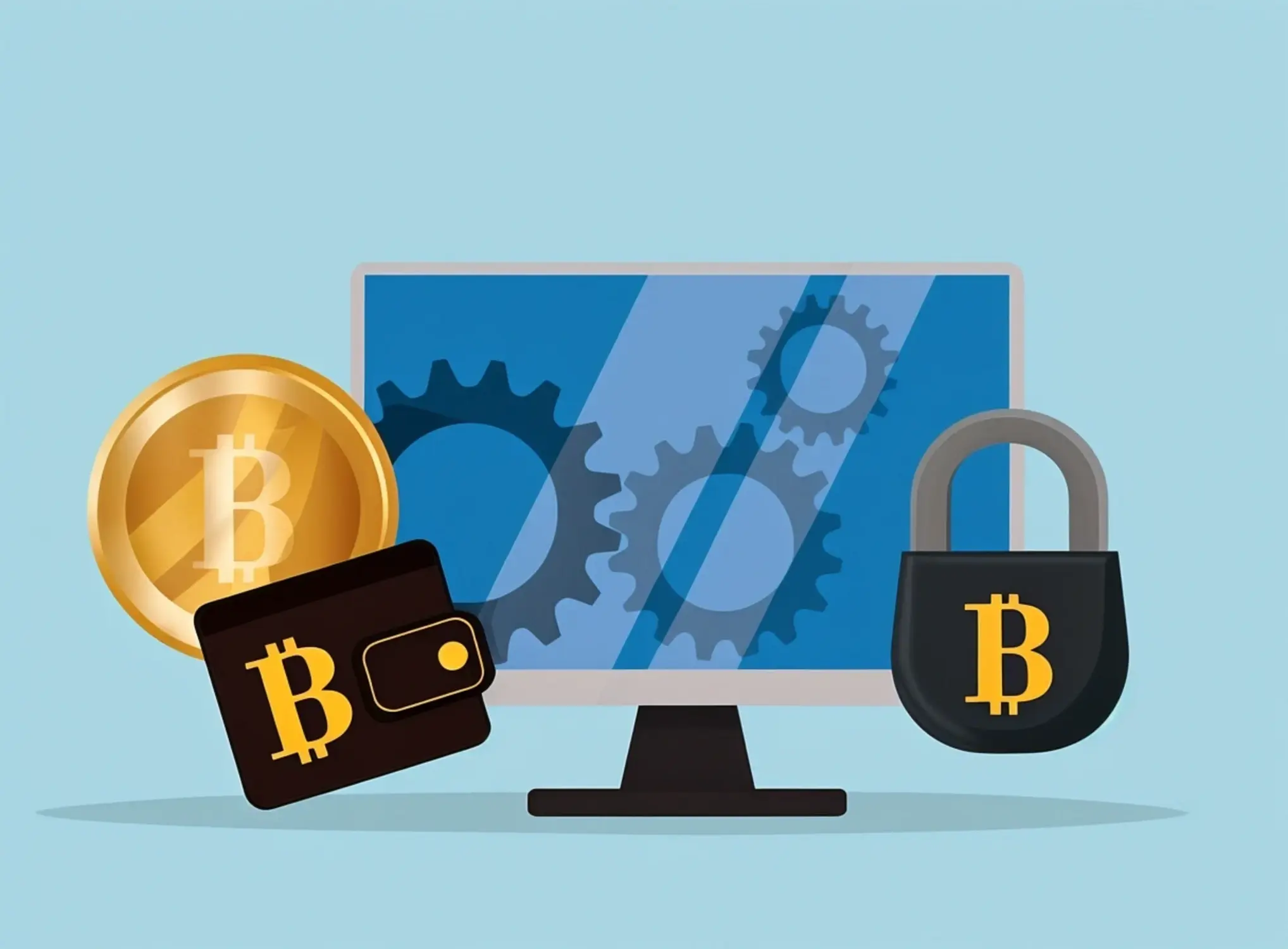
Strategies for Protecting Against Crypto Threats
Individual investors can adopt several best practices to mitigate risks associated with crypto hacks. Employing secure wallets, being vigilant about phishing schemes, and utilizing two-factor authentication are essential strategies. Moreover, educating oneself about the types of hacking incidents can further bolster a user’s defenses.
Various security tools exist to help fortify one’s digital assets. Utilizing reputable security software and keeping abreast of the latest trends in crypto security will not only enhance individual protection but also empower the community at large. Community initiatives such as workshops and webinars can also play a pivotal role in raising awareness and improving overall security literacy among users.
Future Prospects: Strengthening Crypto Security
The fight against hacking incidents is evolving, with innovations in technology paving the way for stronger defenses. Emerging technologies such as AI and blockchain advancements hold promise for more secure transaction systems and better risk identification.
Education and vigilance remain critical in the crypto space. As users become more informed about potential threats and proactive in their security practices, the market can slowly rebuild the trust that is essential for long-term growth. Additionally, pending regulatory developments are likely to enhance security standards, pushing the industry toward safer and more resilient practices.
As the landscape continues to evolve, a combined effort from individuals, platforms, and regulators will be crucial in fortifying the crypto market against future threats.
About The Author





More Stories
How Geopolitics Are Using Cyber Attacks to Target Crypto Exchanges
Why The Drift Exchange Hack Is About to Change Everything in Crypto Security
5 Ways Sanctions Evasion Will Transform Crypto Security Risks in 2026