







Recent economic developments indicate that Iran’s crypto economy exhibits surprising resilience in the face of global sanctions. The nation’s reliance on Bitcoin mining and stablecoins not only sustains governmental operations but also serves as a crucial financial lifeline for ordinary citizens during periods of political unrest. This blog delves into the intricate world of Iran’s crypto economy, unraveling how it navigates sanctions while fostering economic stability.
How Iran’s Crypto Economy Circumvents Global Sanctions
Iran’s approach to circumventing economic sanctions relies heavily on its thriving Bitcoin mining sector and the strategic use of stablecoins. With traditional banking avenues blocked, cryptocurrencies provide alternative means for transactions and trade. Bitcoin mining has emerged as a beneficial industry; it allows Iran to generate revenue that is otherwise blocked by sanctions. The Islamic Republic relies on mining to produce bitcoin, a decentralized currency that circumvents traditional financial systems. In essence, this crypto economy acts as a channel to bypass restrictions imposed by the United States and its allies.
The impact of U.S. sanctions on Iran’s economic activities has been profound. Sanctions have crippled various sectors, notably oil, which traditionally supports the Iranian economy. Thus, crypto operations provide a crucial alternative. According to a recent report, Iran has cultivated a crypto ecosystem valued at approximately $7.78 billion, demonstrating its growing significance.
The Iranian Revolutionary Guard Corps (IRGC) plays a pivotal role in managing and benefiting from these crypto operations. By overseeing Bitcoin mining activities, the IRGC not only enhances its financial resources but also influences national policy on cryptocurrencies, shaping the legal landscape in favor of such digital ventures.
Current Trends in Bitcoin Mining in Iran
Iran’s position in the global Bitcoin mining arena illustrates its increasing prominence. Studies indicate that Iran accounts for approximately 2% to 5% of global Bitcoin mining power, reflecting a significant engagement with this burgeoning industry. This rise stems from various factors, including Iran’s access to cheap electricity and favorable regulatory frameworks for mining operations.
Currently, Iran is vying for a prominent spot among nations leading in Bitcoin mining. The availability of subsidized electricity, particularly for industrial operations, provides substantial advantages to miners. Consequently, Iran has harnessed its resources, attracting both local and international miners seeking cost-effective solutions for crypto mining.
Statistical analyses show that the country’s mining capacity makes it comparable to smaller nations in economic outputs. As a result, mining activities contribute not only to individual wealth but also to a more extensive network of economic resilience.
Economic Resilience Amid Political Unrest
Cryptocurrency plays a significant role for Iranian citizens, particularly during political unrest. When protests erupt over economic hardships, individuals turn to cryptocurrencies to protect their assets against the turmoil that often destabilizes the rial. The stability offered by cryptocurrencies allows citizens to maintain purchasing power when local currency values plummet, thus functioning as a refuge during financial crises.
Moreover, the rise of a financial network based on cryptocurrencies has emerged in response to economic downturns. Citizens are increasingly adopting cryptocurrencies and stablecoins for everyday transactions, enabling them to bypass traditional banking challenges. This shift emphasizes cryptocurrency’s growing influence as a tool for financial security amid political unpredictability.
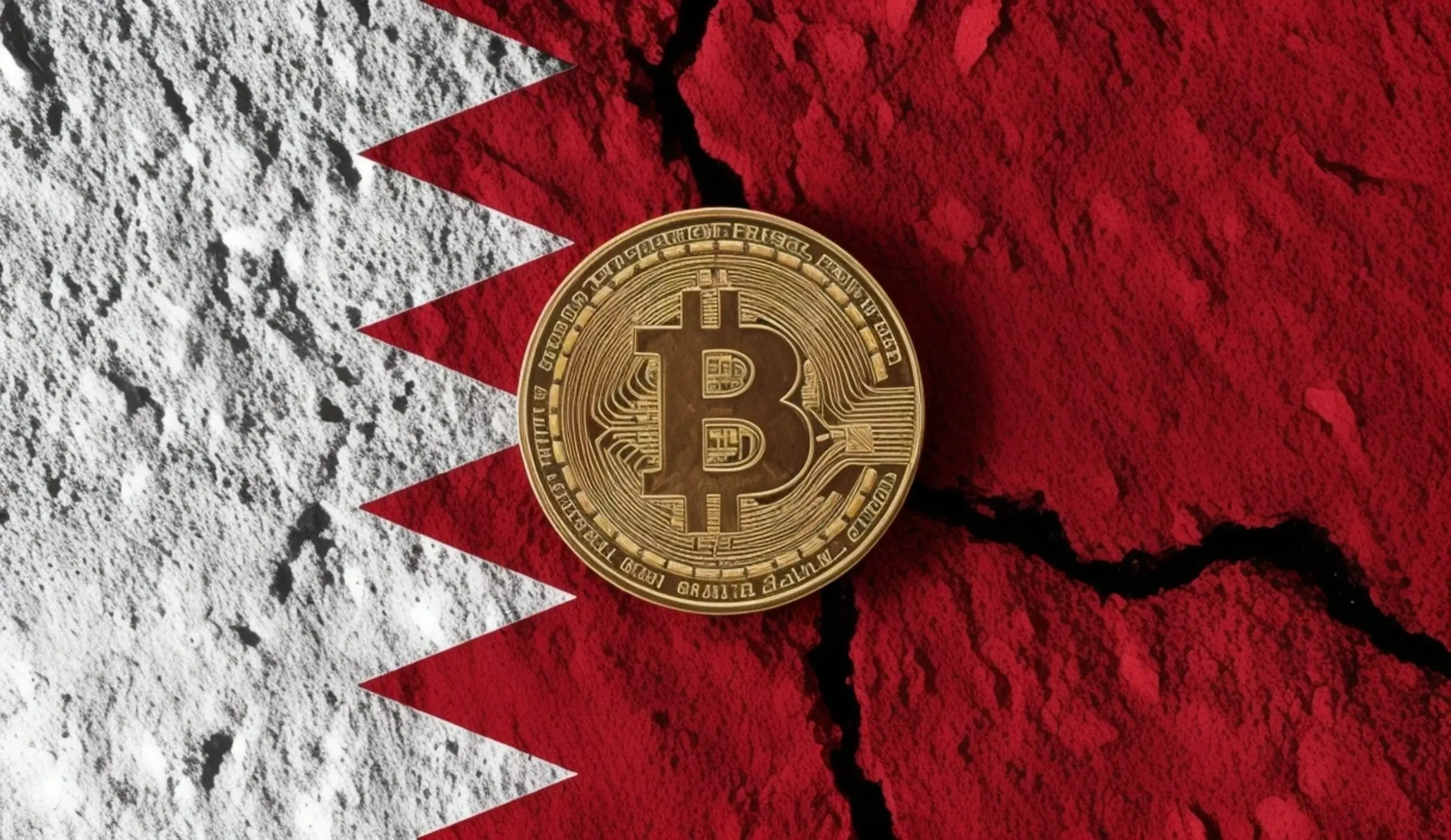
The IRGC’s Role in Iran’s Crypto Landscape
The involvement of the IRGC in the cryptocurrency sector cannot be understated. This organization has strategically positioned itself within the crypto landscape to monitor and influence regulatory frameworks that govern digital currencies. The IRGC’s involvement ensures it collects a share of the profits generated through Bitcoin mining and cryptocurrency transactions.
The impact of this involvement affects public perception and the regulatory environment in Iran, leading to a complex interplay between state control and market freedom. As policymakers grapple with the integration of cryptocurrencies into the economy, the IRGC’s influence will likely shape future regulations and operational landscapes for crypto businesses.
The Future of Iran’s Stablecoins in Global Trade
Looking ahead, stablecoins are poised to redefine trade dynamics for Iran. The potential for stablecoins to facilitate international transactions provides an essential alternative to traditional banking systems. Case studies highlighting successful transactions using stablecoins illustrate their utility in bypassing sanctions and facilitating cross-border trade.
However, challenges remain in the widespread adoption of stablecoins. Regulatory compliance, global economic instability, and technological barriers may hinder progress. Policymakers must consider these challenges carefully as they develop strategies to leverage stablecoins effectively, ensuring that they can continue buying and selling goods on the international stage.
Why Understanding Iran’s Crypto Economy Matters Today
Understanding Iran’s nuanced financial strategies is critical as global economic policies evolve. The implications of sanctions on Iran’s economic behaviors highlight the adaptability and resilience of its financial systems. Consequently, acknowledging the relevance of cryptocurrencies like Bitcoin and stablecoins in stabilizing economies under duress provides insight into broader trends affecting digital currencies worldwide.
As the world increasingly shifts towards digital currencies, observing how countries like Iran navigate these waters can reveal important lessons for other nations grappling with similar financial dilemmas. Iran’s approach to leveraging its crypto economy exemplifies the creative strategies nations may employ when faced with economic adversity.
About The Author




More Stories
Why Eliminating Capital Gains Tax Could Revolutionize Bitcoin Adoption
How Investors Are Using Yuan Stablecoins to Navigate Global Markets
Why Crypto Mortgages Are Set to Revolutionize Real Estate Financing